Birth flowers are a symbolic starting point, not an inventory promise. When a traditional bloom is seasonal or unavailable, its color, texture or meaning can still guide a personalized bouquet.
January through March
January is commonly linked with carnation and snowdrop; February with violet, primrose and iris traditions; March with daffodil. Their themes move from devotion and hope to renewal.
A winter birthday bouquet can translate those ideas through burgundy, violet, ivory or early-spring yellow rather than requiring the exact traditional flower.
April through June
April is associated with daisy and sweet pea, May with lily of the valley and hawthorn, and June with rose and honeysuckle. This season suggests softness, fragrance and affection.
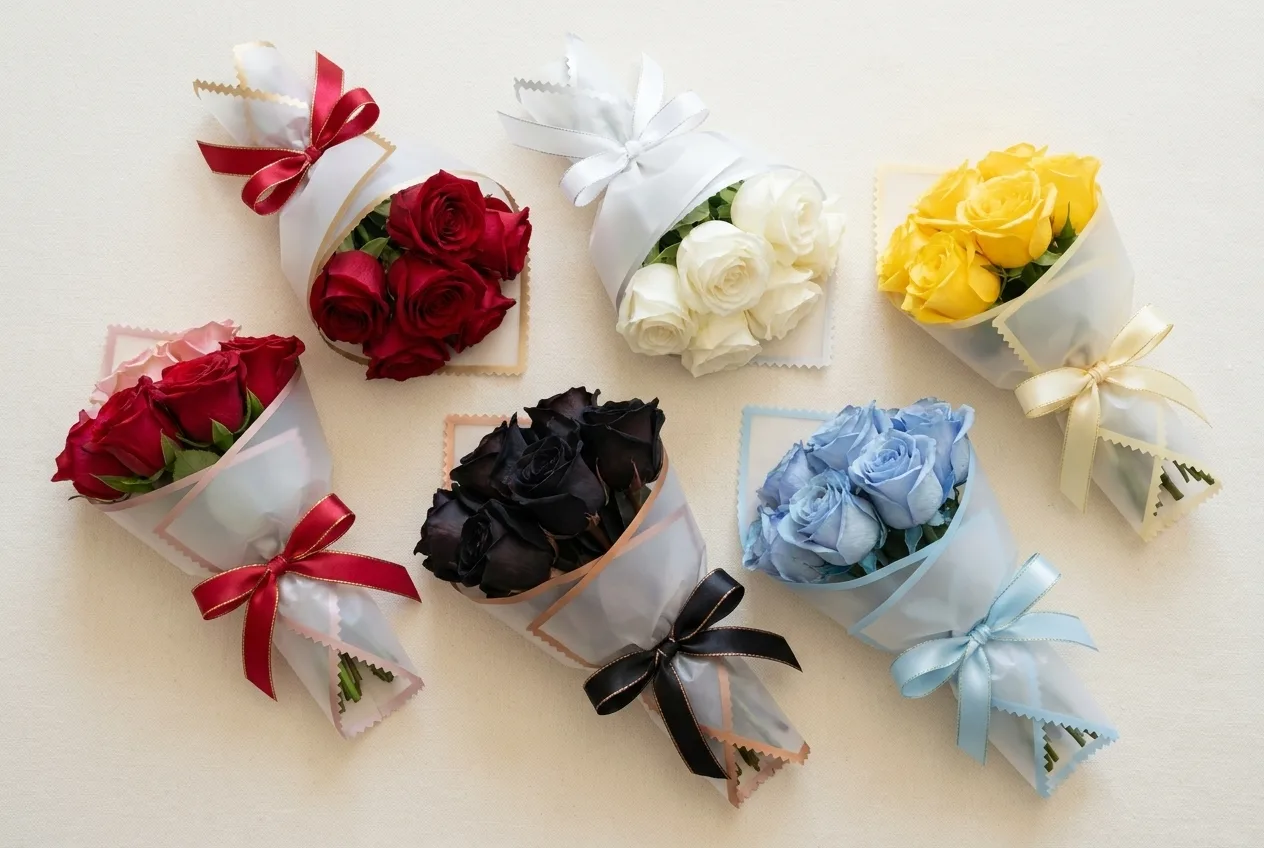
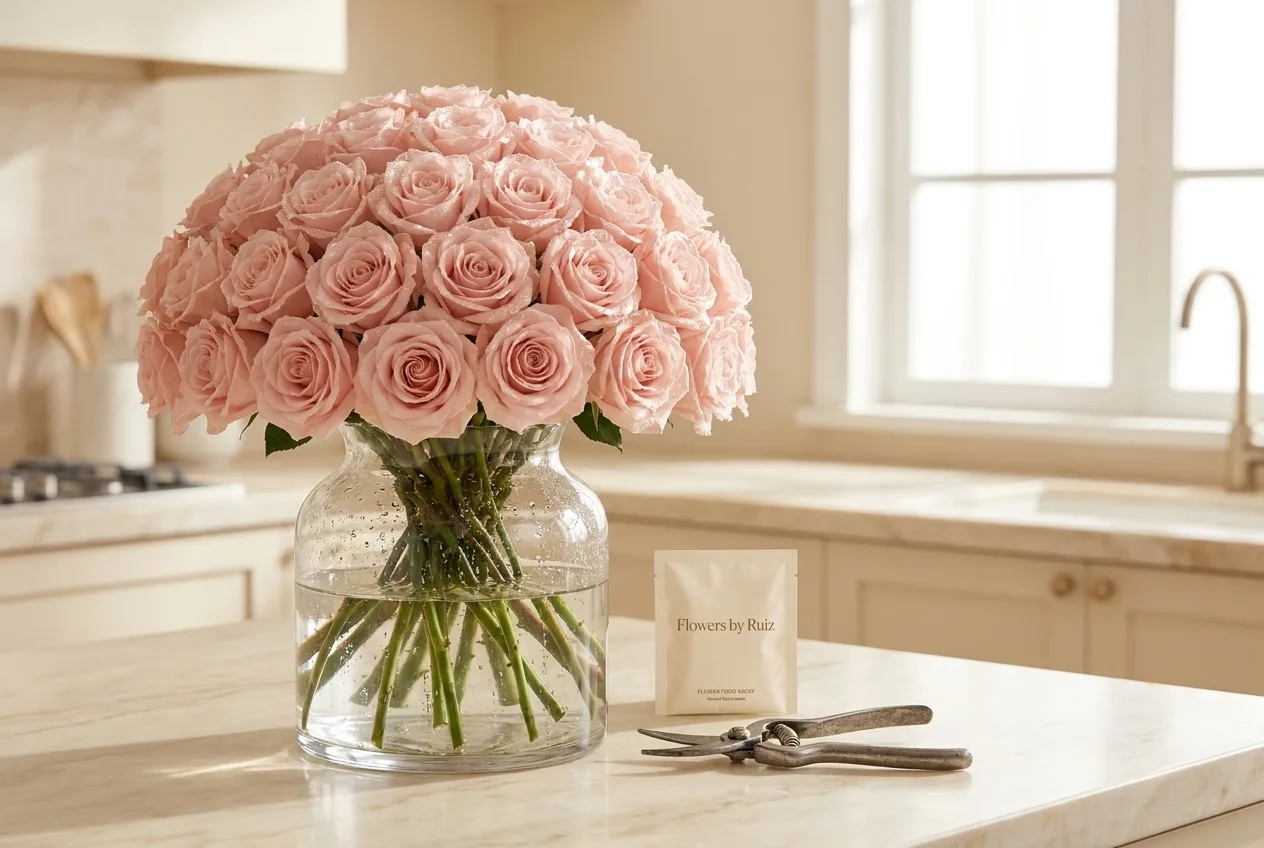
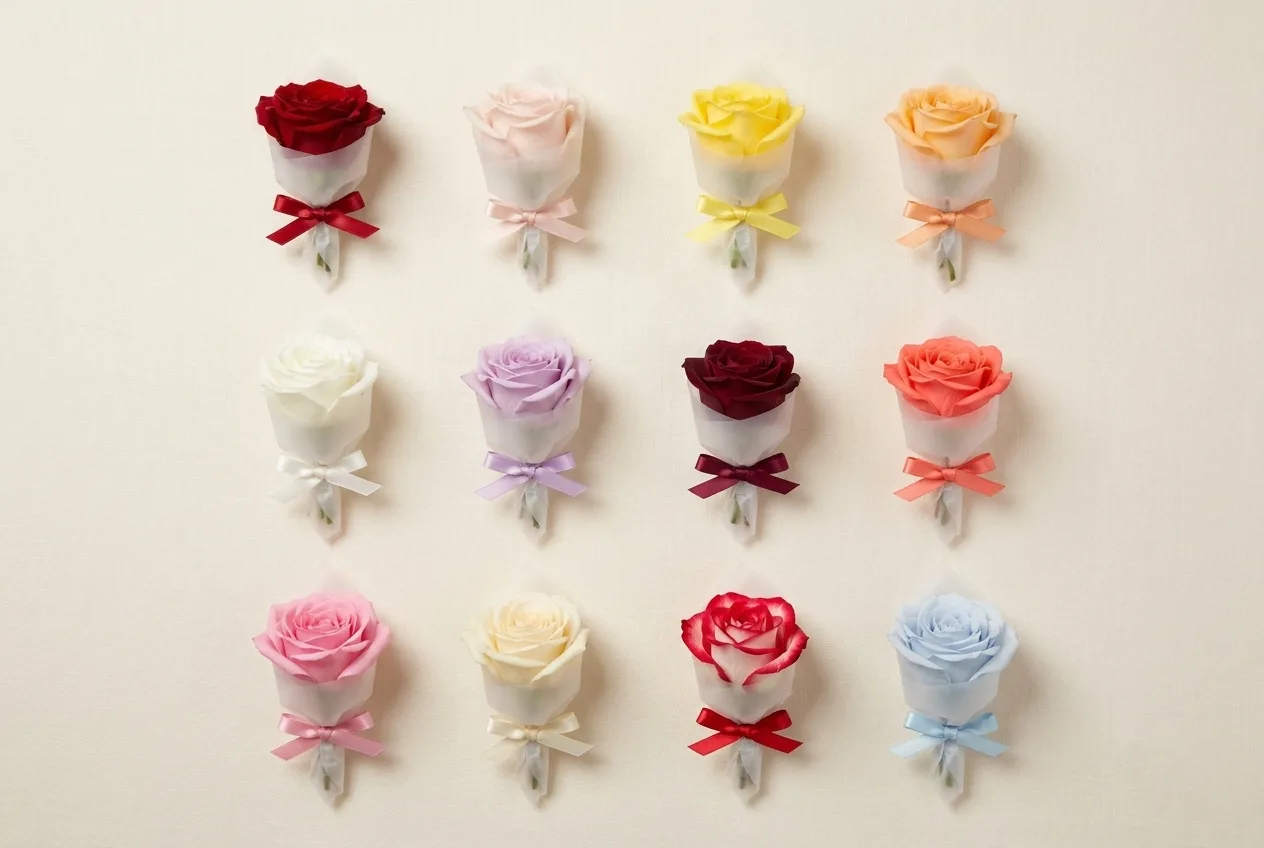
Blush, white and garden-style mixtures are natural modern alternatives. June birthdays are especially easy to personalize through the recipient’s favorite rose color.
July through September
July traditions include larkspur and water lily, August includes gladiolus and poppy, and September is linked with aster and morning glory. Their forms range from airy and aquatic to architectural.
Blue, purple, coral and burgundy palettes can echo these months even when the named bloom is not suitable for the arrangement format.
October through December
October is associated with marigold and cosmos, November with chrysanthemum and December with narcissus and holly traditions. Warm color, resilience and seasonal contrast connect the final months of the year.
Orange, wine, red, green and ivory can create a birthday arrangement that feels seasonal without looking like generic holiday décor.
If the traditional birth flower is unavailable, preserve its meaning through color and shape instead of forcing a poor substitution.Design a bouquet